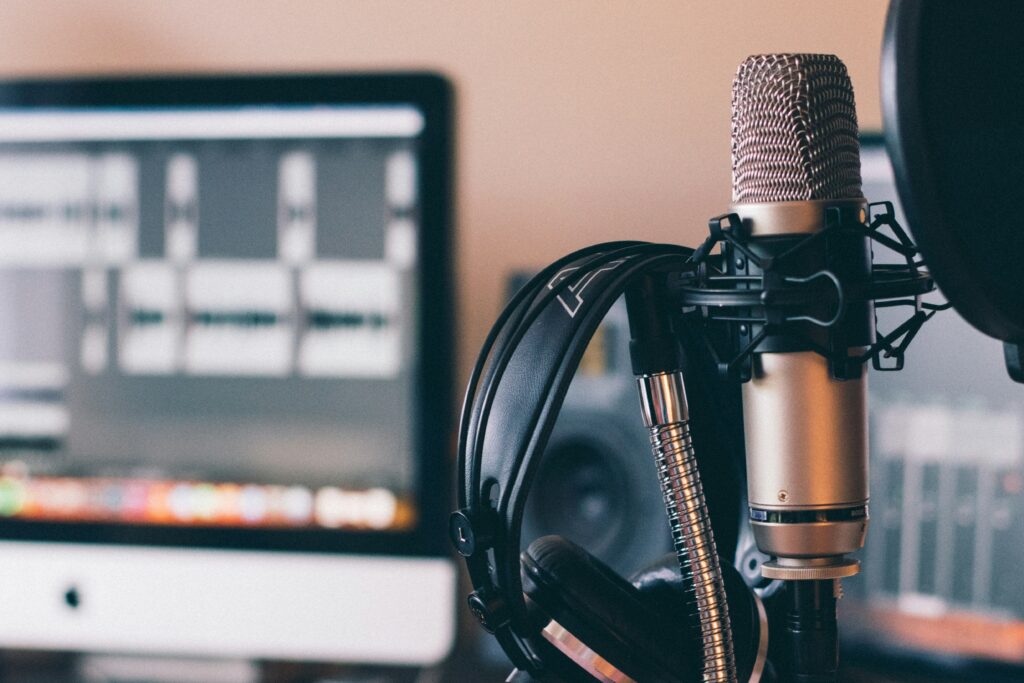
UK radio has just posted its biggest audience on record, and the listening has shifted further towards digital, talk and the big commercial brands. For anyone booking airtime this quarter, the new RAJAR figures change which stations earn a place on the plan and what you should pay for them.
What’s happened
RAJAR published its Q3 2026 results this morning, covering the period to 20 September. According to the figures, 51.2 million adults (87% of the population) now listen to radio each week, a record for the medium, and they average just over 20 hours apiece. Commercial radio reached 39.9 million people and took 55.7% of all listening hours, while the BBC’s share slipped to 41.9%; digital platforms accounted for 76.4% of hours, another record. Among the headlines, Global reported 29.1 million weekly listeners and 289 million hours, with Heart passing 13 million and finishing ahead of Radio 2, Bauer reported 22.9 million across its portfolio with KISS up 29% year on year, and Press Gazette reports that talkSPORT grew weekly reach 11% to 3.8 million on the back of the World Cup, overtaking LBC and recording its highest ever listening hours.
Why it matters to anyone buying radio this quarter
A record audience sounds like good news for advertisers, and it is, but it is also what the sales houses will quote back at you when you ask for a better rate. The useful detail is underneath the headline. Growth is uneven: Global and Bauer’s decade spin-offs (Hits 90s and Hits 00s were up 31% and 33% year on year, according to Bauer) and the speech stations are growing, while some well-known brands are not. RAJAR’s figures show Virgin Radio’s reach down more than a fifth year on year and Radio 4 down 2%. A plan built on last quarter’s book, or on a station’s reputation rather than its current audience, will now be paying for listeners who have moved.
For combat sports promoters, talkSPORT’s record quarter is the story. The station has just added around 400,000 listeners in a year and now out-reaches LBC, which makes it a stronger buy for fight-week promotion than it was in the spring, and the sales team know it. For auction houses, the regional picture matters more: the big commercial brands reach the affluent 45-plus audience that consigns and bids, and the growth in Greatest Hits Radio (6.8 million) and Smooth (7.5 million) gives you more options outside London. For claims firms and other specialist businesses buying on response, the digital figure is the one to watch. With more than three-quarters of listening now on DAB, online and smart speakers, the streaming inventory sold separately by the sales houses is no longer a side dish, and the price of it needs comparing with the price of the broadcast spot.
This is where we earn our keep. When new RAJARs land we rebuild our clients’ station-level plans from the fresh data rather than rolling the old schedule forward, then go back to Global, Bauer and News Broadcasting to renegotiate on the stations that have fallen and buy late space on the ones that have risen before the rate cards catch up.
What we’d do
First, re-run the plan now, not in January. The next RAJAR release is three months away and the current book will be the sales houses’ reference point for every Q4 and Q1 negotiation. If a station on your schedule lost audience, that is your lever; if it gained, book early before the premium appears.
Second, ask for the platform split. The sales houses can tell you how much of a station’s listening is on FM, DAB and streaming, and whether the digital-only spin-off stations are included in the package you have been quoted. A cheap “network” rate that leans on small spin-offs is not the same as a slot on the main station at breakfast.
Third, use the late market. Radio is sold right up to the day of broadcast, and a record audience does not fill every break. We regularly place campaigns in the final week at a discount to the rate card because the sales houses would rather sell the airtime than leave it empty.
How VCM can help
We turn the new RAJAR figures into a radio plan that buys the listeners your business actually needs, at a price negotiated against the current numbers rather than last quarter’s. If you have a radio campaign coming up, or a schedule that has been running unchanged for a while, get in touch, call 0333 577 1848 or email James@vcmweb.co.uk and we’ll tell you what it should cost right now, no obligation.