Oxford Street went traffic-free at the end of October, and the industry is still working out what that has done to one of the country’s most expensive out-of-home environments. If you are planning London posters for Christmas or for a January sale, the next few weeks are a chance to buy attention before the price catches up with it.
What’s happened
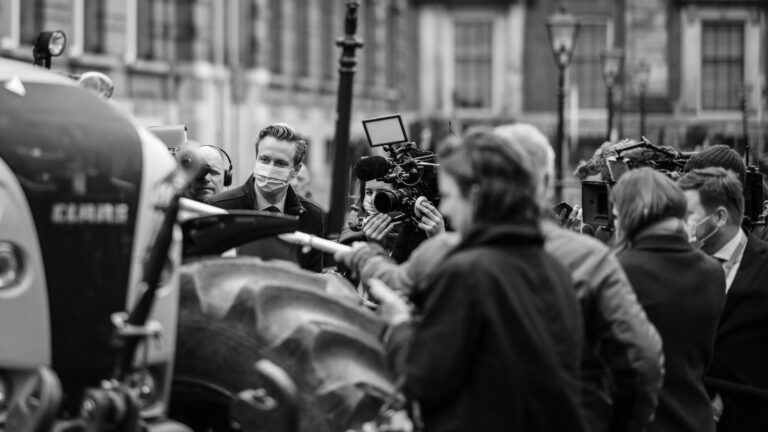
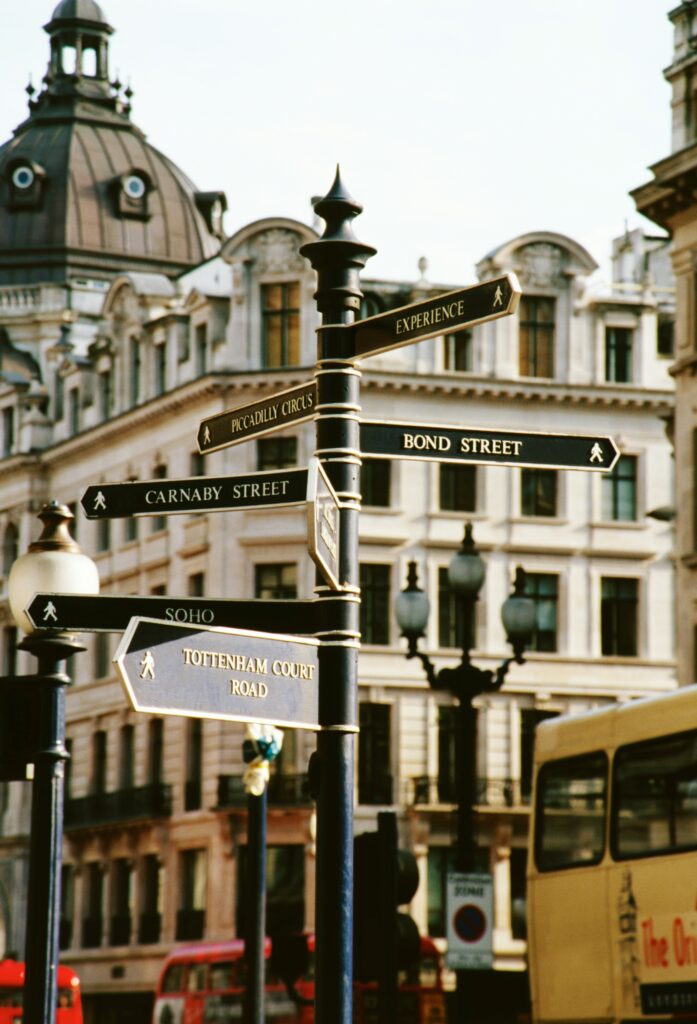
On 26 October the Mayor of London closed a near one-kilometre stretch of Oxford Street, between Selfridges and the IKEA store at Oxford Circus, to buses, cars, taxis, bicycles, scooters and pedicabs. It is the first stage of a longer scheme, and it landed just before the busiest retail weeks of the year. According to The Media Leader’s report, the street draws around 500,000 visitors a day and roughly £3.1bn of annual spending (both Mayor’s Office figures), and the change has already altered the poster inventory: JCDecaux has taken the bus shelters out of the affected section, leaving freestanding digital six-sheets alongside Backlight’s large digital screens, while bus-side and taxi advertising no longer passes through at all. Opinion is split on what that means. Lumen’s Mike Follett told the paper the change has “turned the existing poster frames into OOH gold” because “pedestrians notice posters much more than drivers do”; billups’ Martin Pittendreigh was more cautious, saying “there are currently so many unknowns” and urging the industry to set a baseline now and measure through the new year.
Why it matters to auction houses, promoters and specialist firms
For our clients Oxford Street is the top of the Mayfair catchment. Walk south from Selfridges and you are at the Bond Street salerooms in five minutes; the people on that pavement in December are the same people a fine art or jewellery house wants in its pre-sale viewings and its January consignment campaigns. For a fight promoter with a London date in the first quarter, the West End in the run-up to Christmas is where gift tickets get bought, and a poster that is now looked at for longer rather than glanced at from a bus is worth more per impression than it was a fortnight ago. Specialist firms with a national message have less reason to be here, and should not be talked into paying a West End premium for it.
The commercial point is timing. Route, the OOH audience currency, will eventually tell everyone what the pedestrianised frames are actually delivering, but as Pittendreigh notes a clean read will not exist until the Christmas peak has passed. Until then the media owners are selling frames on an audience they cannot yet prove, and that is exactly the kind of uncertainty late-space buying thrives on. Sales teams need December placed, they have fewer frames on the stretch than in September, and nobody can yet justify a re-based rate card. We spend our days asking OOH sales houses what is still open for the next fortnight and what it will take to clear it, and that conversation is unusually interesting on this stretch right now.
What we’d do
First, buy the pedestrianised section on short cycles, not long ones. Two-week bursts timed to your viewing dates or your on-sale moment let you benefit from the longer dwell time without committing to a rate that may look wrong once the data is in. We would ask for the specific frames by location, proof-of-play reports for digital and the owner’s own footfall data for the closed section, because “Oxford Street” on a plan can mean anything from Marble Arch to Tottenham Court Road and most of it still carries traffic.
Second, follow the buses. The routes that used to run along Oxford Street are now on other roads, and so is the bus-side audience. If bus advertising was carrying your West End message, rebuild that part of the plan around where the vehicles actually go; we do that re-plan with the transport sales teams directly.
Third, give the creative something to do. With no moving traffic to compete with, a digital six-sheet can carry longer copy, a specific lot or fight card, a QR code that actually gets scanned and day-parted messages for the lunchtime and evening crowds. A poster designed for drivers is wasted on people standing still.
How VCM can help
We negotiate late out-of-home space with JCDecaux, Global, Clear Channel and the transport sales houses every week, so we know what is open on the West End and what it should cost before the rate card settles. You can read more about how we buy out-of-home advertising, or get in touch on 0333 577 1848 or at James@vcmweb.co.uk. Tell us your dates and your budget and we will tell you what the pedestrianised stretch should cost right now, no obligation.