
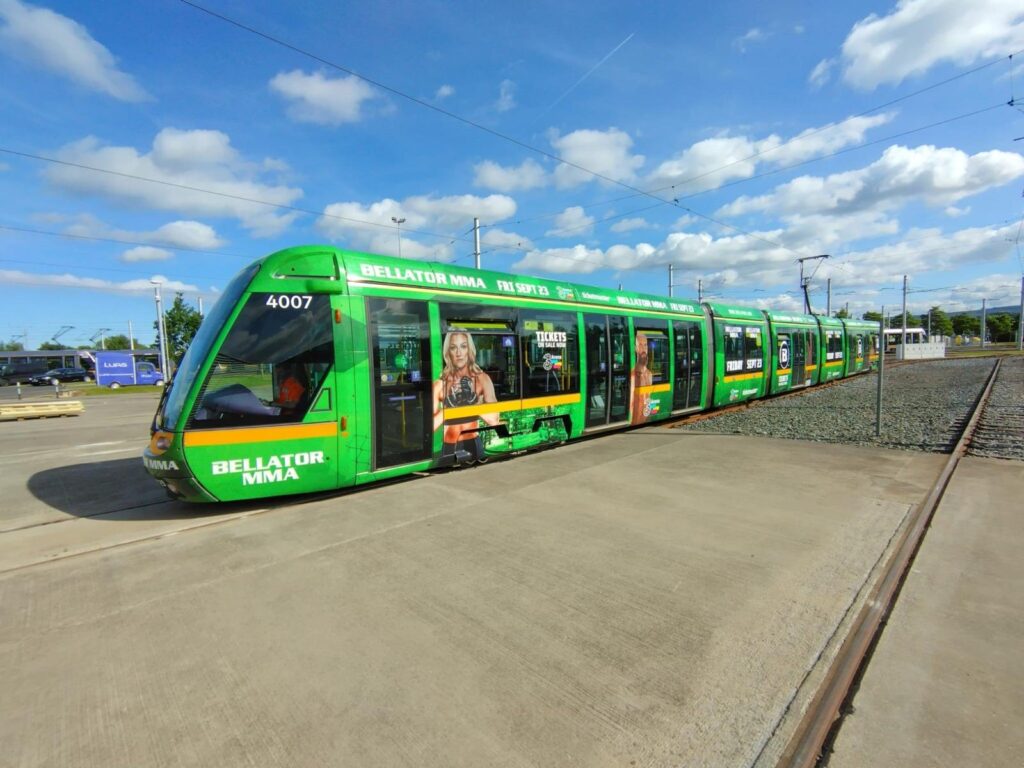
Out of home advertising UK campaigns cover any paid media seen outside the home: billboards, transport sites, retail placements and the growing digital out of home (DOOH) network that spans motorway gantries to shopping centre screens. It remains one of the most effective ways to build broad, unavoidable brand awareness at scale, precisely because it reaches people while they’re already out in the world rather than competing for attention on a screen they can scroll past. For marketing directors weighing OOH against a digital-only plan, the format still earns its place — often as the thing that makes every other channel work harder.
At VCM, we plan and buy out of home advertising alongside digital and social as part of integrated media planning, not as an afterthought. This post sets out the main formats, where each fits, and the honest trade-offs to weigh before you commit budget.
What counts as out of home advertising in the UK
OOH advertising is a broad church. Understanding the format families helps you match the right site type to the right objective rather than buying space for its own sake.
Classic roadside and rooftop formats
- 6-sheets: smaller, pedestrian-level panels found on high streets, near retail parks and at bus stops — good for local and neighbourhood-level reach.
- 48-sheets and large format billboards: the classic roadside and rooftop sites offering scale and dominance along busy routes.
- Billboard advertising UK-wide: still the backbone of broad-reach brand campaigns, particularly where a client wants unmissable, static presence over several weeks.
Transport advertising
Transport advertising covers London Underground, national rail, bus sides and interiors, and taxis. These environments deliver high-frequency, repeated exposure to commuters and travellers who see the same sites day after day — which is where OOH’s recall advantage really compounds. Rail and Underground sites also let you target specific catchments or routes with real precision, without needing digital targeting to do it.
Retail and shopping centre placements
Sites in and around shopping centres and retail parks put a brand in front of people close to the point of purchase. This proximity makes retail OOH particularly effective for product launches, seasonal pushes and anything you want to influence in the final stretch before a buying decision.
Digital out of home (DOOH)
DOOH advertising has changed what’s possible in this channel. Screens can be bought programmatically, switched by day-part, triggered by weather or time of day, and booked on far shorter lead times than traditional print formats. This brings OOH’s responsiveness much closer to digital, without losing the physical presence that makes the channel distinctive.
Why out of home advertising UK campaigns still move the needle
OOH works differently to click-driven channels, and that difference is its strength. It doesn’t ask for an immediate action — it builds broad, repeated exposure across routes people already travel, so the brand becomes familiar before they ever search for it or see a paid social ad. That familiarity lifts recall and makes performance channels more efficient, because people arrive at search and social already primed to recognise the brand.
- Unskippable: there’s no ad blocker or scroll-past for a billboard or a rail panel.
- High-frequency: commuters and regular travellers see the same sites repeatedly, reinforcing the message without extra spend.
- Brand-safe: no adjacency risk from unpredictable user-generated content or platform algorithms.
- Hard to replicate at scale: no other channel delivers the same physical, city-wide or route-wide presence in one buy.
The trade-offs worth knowing before you commit
OOH isn’t without its limitations, and it’s worth being upfront about them. Measurement is less granular than digital — you’re generally working with modelled reach and frequency data rather than individual-level attribution, so it sits better as a brand and awareness metric than a last-click one. Classic print formats also need longer lead times for production and installation, which means less flexibility to change creative mid-campaign compared with digital channels. DOOH narrows this gap considerably, but traditional billboard and transport formats still need proper planning time built into the schedule.
When OOH advertising earns its place in the media plan
OOH tends to justify its budget most clearly in a handful of situations:
- Local awareness campaigns: where a brand needs visibility in a specific town, city or catchment area.
- Event and ticket-driven campaigns: where urgency and broad local reach matter in a short window.
- Product launches: where you need to build fast, unmissable awareness before performance channels can pick up demand.
- Retail proximity plays: using placements near stores or retail parks to influence decisions close to purchase.
- Reinforcing paid search and paid social: OOH builds the brand recognition that makes those clicks more likely to convert.
Planning OOH as part of an integrated media strategy
The strongest results come from treating out of home advertising as one part of an integrated media planning approach, not a standalone line item. Sequencing OOH ahead of a paid social or search burst, or running DOOH alongside always-on digital activity, tends to outperform either channel run in isolation. The planning question isn’t “OOH or digital” — it’s which formats, in which combination, get you the reach and recall you need before performance channels take over the job of conversion.
FAQs
Is out of home advertising still worth it in the UK given how much media has moved online?
Yes — OOH remains one of the few channels that delivers broad, unskippable reach at scale, and DOOH has added the flexibility and responsiveness that used to be digital’s exclusive advantage. It works best alongside digital channels rather than instead of them.
What’s the difference between DOOH and traditional billboard advertising?
Traditional billboards are static, printed and booked well in advance, while DOOH uses digital screens that can be updated remotely, bought programmatically and adjusted by time of day, weather or audience — giving far shorter lead times and more flexibility.
How does OOH advertising complement paid search and paid social?
OOH builds brand familiarity and recall across the routes people travel every day, which makes them more likely to recognise and respond to a brand when they later see it in search results or on social media, improving the efficiency of those channels.